
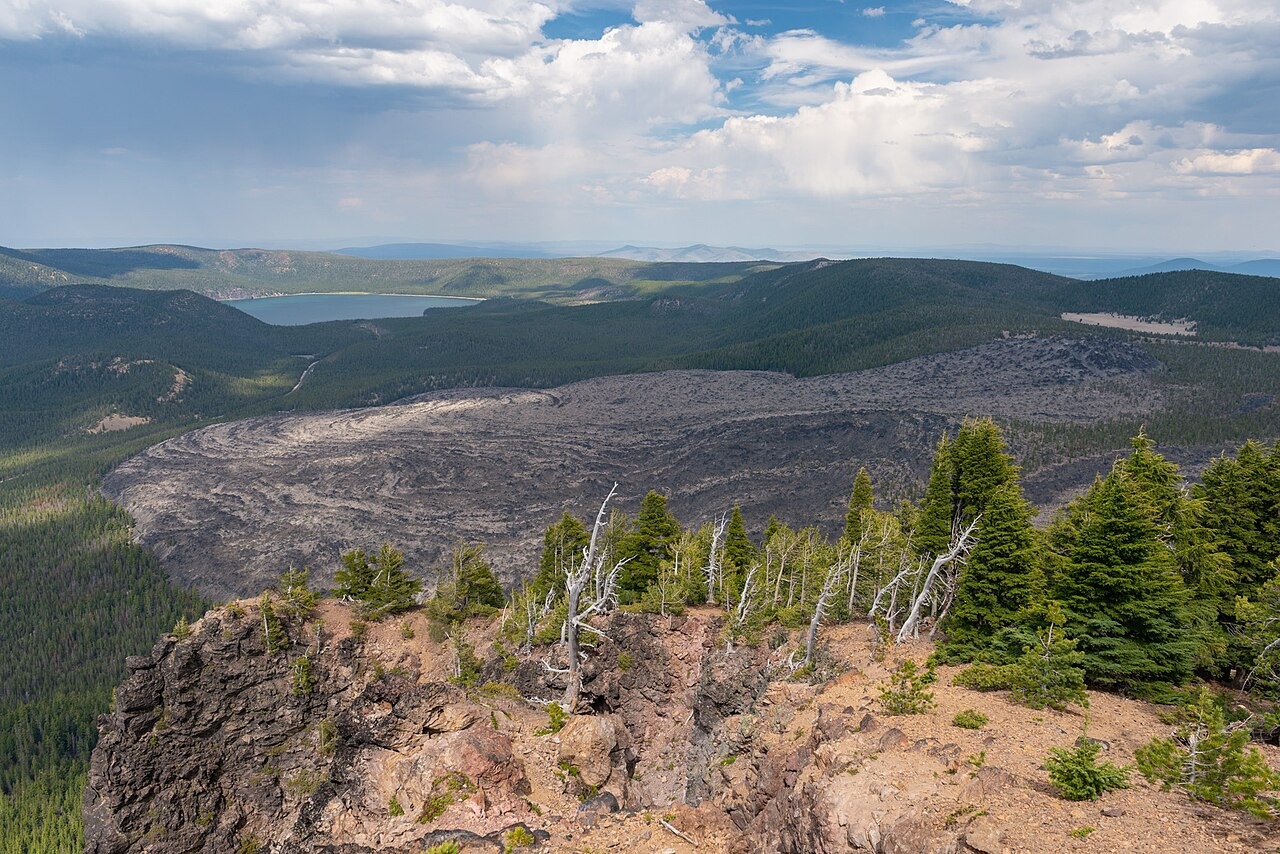
A planned geothermal project near Newberry Volcano could supply 50 megawatts to Google’s three data centers in The Dalles as early as 2030, but the proposed Central Oregon power source is not yet an operating facility.
Quaise Energy and Google told Oregon Public Broadcasting they had reached what the companies described as the first commercial-scale agreement for superhot-rock geothermal power. The proposed output would be enough for about 50,000 average households, although the sale price was not disclosed.
The immediate infrastructure requirement is transmission. Quaise would need to build a 10-mile line from its Project Obsidian site on the southern flank of Newberry Volcano to the nearest substation in La Pine. Power would then move through the regional grid to The Dalles. OPB reported that the Pacific Northwest already faces transmission constraints, making the line a necessary part of any future service—not a completed connection.
The technology also remains at a development stage. Superhot-rock systems inject water into very hot rock deep underground, bringing steam back to the surface to drive a turbine. OPB’s earlier reporting from another Newberry-area project, Mazama Energy’s pilot, described steam production from a shallow test while identifying deeper drilling as the next phase needed to demonstrate the system’s potential for electricity generation. That report also described the technology’s promise as continuous power, while noting that developers still aim to show the systems are reliable, efficient and economical.
For Central Oregon and the regional grid, the confirmed change is therefore a commercial commitment tied to future construction, not an immediate increase in available electricity. Google’s planned supply depends on Quaise completing the project, building the transmission connection and reaching the companies’ target of delivery as early as 2030.